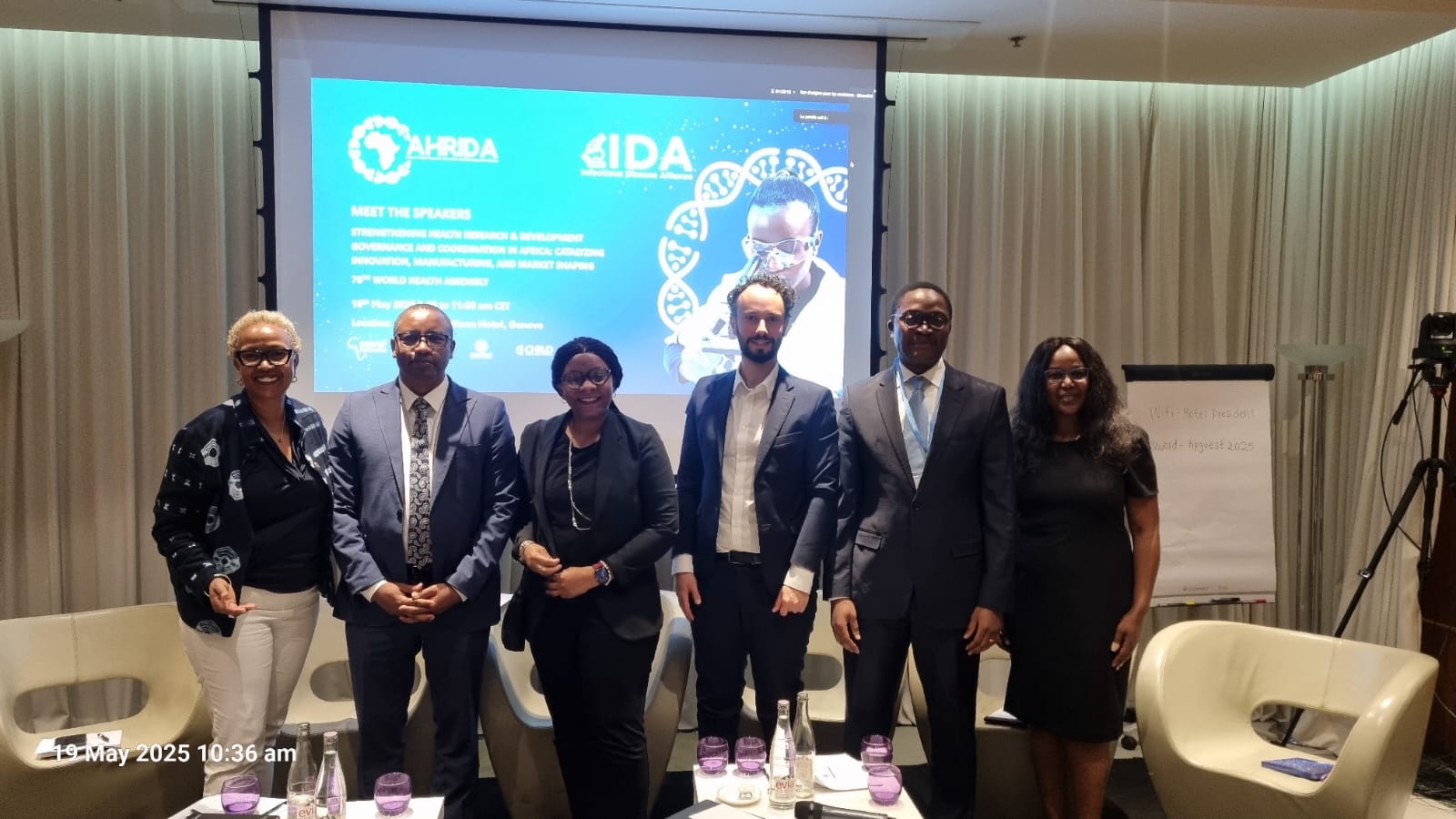
Participating in the 78th World Health Assembly (WHA) was a powerful moment of engagement for me as a young African woman committed to equity, innovation, and locally led transformation in global health. This year’s Assembly unfolded against the backdrop of profound global transitions: financial instability in the development ecosystem, climate vulnerability, rising geopolitical tensions, and the continued recalibration of the global health architecture post-COVID. These shifts make it more urgent than ever to move from rhetoric to results, especially when it comes to delivering on African priorities.
Several key outcomes of WHA 2025 signaled meaningful progress. Among them, the adoption of the Skin Health Resolution stood out as a long-overdue milestone in the fight against neglected tropical diseases (NTDs). Many NTDs, including leprosy manifest primarily through skin conditions. This resolution affirms that skin health is not a cosmetic issue but a critical entry point for disease detection, stigma reduction, and integrated primary care in resource-limited settings.
By anchoring skin health within global health systems strengthening efforts, this resolution offers a concrete pathway to accelerate NTD control and elimination especially in Africa, where the burden remains disproportionately high. It aligns directly with the WHO’s NTD Roadmap and supports more holistic, community-based models of care that respond to real needs on the ground.
WHA 2025 also saw the adoption of a Health Financing Resolution, reinforcing that without sustainable, domestic health financing, there can be no real progress toward Universal Health Coverage (UHC). In many African countries, health budgets remain overly dependent on donor funding. I spoke to this issue during the STUF–GHC Global Forum on UHC, emphasizing the urgent need to institutionalize innovative domestic financing mechanisms from health taxes and pooled insurance schemes to diaspora bonds and regional solidarity funds.